Crypto exchange security operates at three layers: custody architecture, operational process controls, and response mechanisms. Each layer carries distinct failure modes. This article covers the technical decisions that determine whether an exchange contains breaches or amplifies them, with focus on the mechanisms practitioners implement and audit.
Custody Architecture Patterns
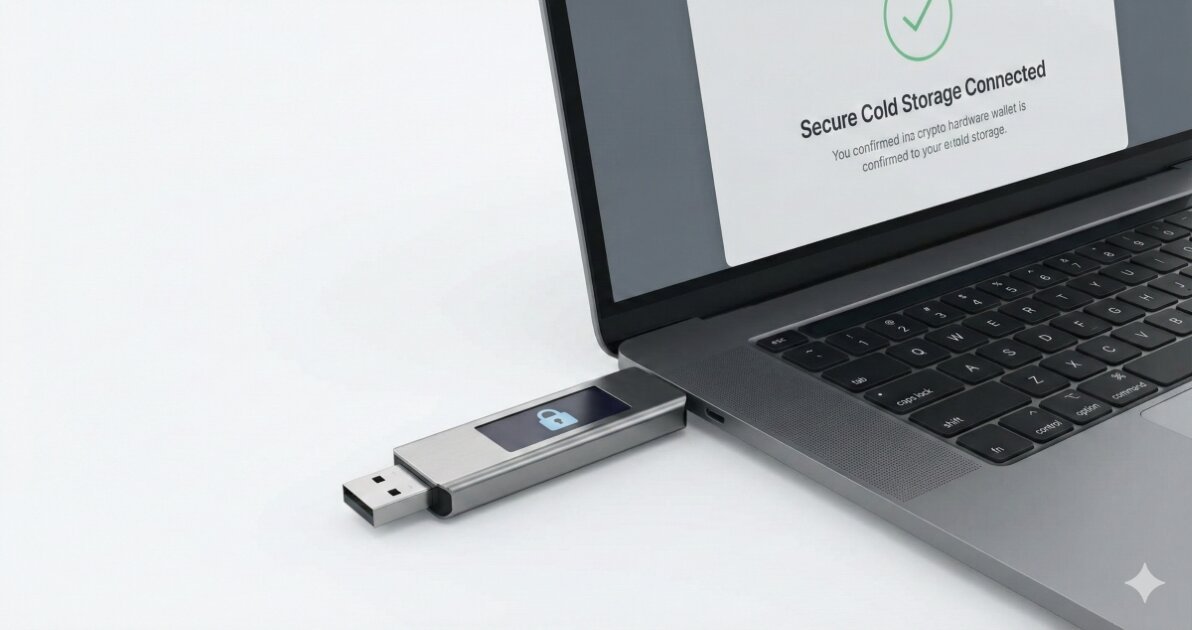
Most exchanges separate hot wallets, warm wallets, and cold storage by velocity and exposure. Hot wallets serve withdrawal requests and maintain connectivity to signing infrastructure. Cold storage holds the bulk of user funds offline, accessed through multisignature schemes or hardware security modules that require physical presence or threshold approval.
The critical parameter is hot wallet float as a percentage of total assets under custody. Exchanges typically target 2% to 5% in hot wallets, though actual figures depend on withdrawal patterns and asset volatility. A float set too high exposes unnecessary capital to online threats. Set too low, it forces frequent cold-to-hot transfers that introduce operational risk during manual signing ceremonies.
Warm wallets occupy the middle ground. They remain online but behind additional access controls, often requiring multiple approvals or time delays. This tier absorbs spikes in withdrawal demand without touching cold storage. The tradeoff: warm wallets still present an attack surface larger than cold storage but smaller than hot wallets.
Address reuse policy matters. Exchanges that generate fresh deposit addresses per user and per transaction limit the information an attacker gains from observing the blockchain. Reused addresses allow adversaries to map user balances and prioritize targets. Modern exchanges implement hierarchical deterministic wallets to generate unique addresses without increasing key management overhead.
Process Isolation and Privilege Boundaries
Withdrawal authorization paths determine breach containment. A single compromised credential should not permit fund movement. Effective designs require multiple independent verifications: database confirmation that the user initiated the request, balance checks against internal ledgers, fraud scoring that flags abnormal patterns, and finally cryptographic signing by systems isolated from the application layer.
Time delays act as a manual override mechanism. Withdrawals above a threshold enter a pending state for a defined period, during which security teams can review and cancel suspicious requests. The delay duration trades user convenience against detection window. Common implementations use 12 to 24 hour holds for large withdrawals or first-time addresses.
API keys require scoping. Users should configure keys that permit only trading, only deposit address generation, or only balance queries. Withdrawal permissions should exist as a separate capability, ideally requiring IP allowlisting or additional two factor confirmation. Exchanges that treat API keys as all-or-nothing create unnecessary risk for algorithmic traders and institutional desks.
Internal employee access follows the principle of least privilege. Customer support staff do not need write access to wallet infrastructure. Developers working on trading engine code do not need production database credentials. Role based access control combined with session recording creates an audit trail. Break-glass procedures for emergencies should trigger automatic alerts and require post-incident review.
Monitoring and Anomaly Detection
Real-time alerting watches for deviations from baseline behavior. Metrics include withdrawal velocity (volume per unit time), geographic distribution of requests, user behavior changes (suddenly draining an account that historically held funds), and blockchain mempool analysis for unusual fee patterns or destination clustering.
Threshold tuning requires historical data. False positives disrupt legitimate users and create alert fatigue. False negatives allow fraud to compound. Effective systems adapt thresholds based on account age, trading history, and KYC tier. A new account attempting to withdraw its entire balance to a mixer warrants immediate review. A multi-year account with consistent trading patterns deserves a higher threshold before human intervention.
Blockchain monitoring extends beyond internal systems. Exchanges track deposit addresses associated with known exploits, sanctioned entities, or mixing services. Incoming funds from flagged sources trigger enhanced due diligence or holds. This defense is imperfect because blockchain analysis provides probabilistic attribution, not certainty, but it raises the cost for attackers attempting to cash out stolen funds.
Worked Example: Multitier Withdrawal Flow
A user requests a 50 BTC withdrawal. The exchange checks its internal ledger, confirms the user balance, and verifies the request signature matches the user’s registered two factor token. The system flags the request because the destination address has never received funds from this user before and the amount exceeds the user’s typical withdrawal by 10x.
The withdrawal enters a 24 hour pending state. The fraud detection system assigns a risk score based on account age (3 years, low risk), recent password changes (none in 90 days, low risk), login geography (matches historical pattern, low risk), and destination address (new, moderate risk). The combined score triggers a mandatory email confirmation with a unique cancellation link.
During the hold period, a security analyst reviews the request alongside 40 others in the queue. The analyst checks whether the user recently contacted support, whether the destination address appears in known scam databases, and whether the withdrawal timing correlates with any platform incidents. Finding no red flags, the analyst approves the request.
At the 24 hour mark, the withdrawal moves to the warm wallet queue. An automated process batches it with other approved requests. The warm wallet signs the transaction using a 3-of-5 multisignature scheme where keys reside on separate hardware modules in different geographic locations. Once the transaction broadcasts, the exchange monitors for confirmation and credits the internal ledger only after the blockchain reaches sufficient depth.
Common Mistakes and Misconfigurations
- Storing encrypted private keys in the same database as user credentials. Database compromise yields both authentication bypass and fund access.
- Using software-based multisignature where all keys reside on the same server or under the same administrative domain. Multisig provides no defense if an attacker gains root access.
- Failing to rotate hot wallet addresses after each withdrawal batch. Address reuse allows observers to calculate real-time hot wallet balances and optimize attack timing.
- Implementing withdrawal allowlists without expiration or re-verification. A years-old allowlisted address may now belong to an attacker who purchased the private key on secondary markets.
- Logging sensitive operations without access controls on the logs themselves. Audit trails become vulnerability maps if improperly secured.
- Running cold storage signing ceremonies on predictable schedules. Attackers who know the exchange transfers cold funds every Monday at 3 AM can plan physical or social engineering attacks around that window.
What to Verify Before You Rely on This
- Confirm the exchange publishes proof of reserves using a method that cryptographically links onchain addresses to liabilities without revealing user-level detail. Static attestations from auditors provide weaker assurance than continuous cryptographic proofs.
- Check whether the exchange segregates omnibus wallets by jurisdiction or regulatory reporting requirement. Commingled funds complicate recovery if one jurisdiction freezes assets.
- Verify the exchange’s incident response history. How quickly did they detect past breaches? Did users suffer losses, and were they compensated? Response track record predicts future containment capability.
- Determine whether the exchange maintains insurance coverage for custodied assets and review the policy exclusions. Many policies exclude losses from internal fraud or operational errors.
- Confirm API rate limiting policies and whether they apply per key, per IP, or per account. Insufficiently granular limits allow attackers to amplify small compromises.
- Review the exchange’s multisignature configuration for cold storage. How many signers exist, and how are they distributed geographically and organizationally? Single legal entity control over all signers undermines the security model.
- Check whether the exchange supports hardware security keys (WebAuthn/FIDO2) for user authentication in addition to TOTP-based two factor. SMS and email based codes remain vulnerable to SIM swaps and phishing.
- Verify withdrawal hold policies for your account tier and asset type. Policies often vary by KYC level and asset volatility.
Next Steps
- Audit your own operational security as an exchange user. Enable all available authentication factors, use hardware keys where supported, and maintain an allowlist of withdrawal addresses you control. Test your recovery process before you need it.
- If operating an exchange, conduct tabletop exercises simulating compromise at each custody tier. Measure detection time, escalation paths, and communication protocols. Most breaches exploit gaps in process, not technology.
- Implement continuous reconciliation between internal ledgers and blockchain state. Discrepancies should halt operations until resolved. Many historical exchange failures began as small accounting mismatches that compounded over months.