Crypto news moves fast, but most headlines deliver little actionable intelligence. For practitioners managing positions, developing products, or tracking regulatory shifts, the challenge is not finding news but isolating the subset that alters risk models, integration roadmaps, or compliance posture. This article covers the mechanics of triaging crypto news streams, identifying material signals, and routing information to the right decision contexts.
What Constitutes Material News
Material news changes the payoff structure of an existing position or strategy. This filters out:
- Price predictions and analyst commentary (backward looking correlation dressed as forward thesis)
- Ecosystem announcements with no deployment date or audit commit
- Partnership press releases lacking technical scope or revenue structure
- Exchange listing announcements for tokens you do not hold or integrate
Material signals include protocol upgrade activation blocks, regulatory enforcement actions naming specific entities or token classes, exploit postmortems that identify a vulnerability class affecting multiple codebases, and collateral parameter changes in lending protocols where you have open positions.
The key distinction: does this information require you to query a new data source, modify a transaction parameter, or update a compliance checklist?
Source Credibility Layers
Not all disclosure channels carry the same verification overhead.
Onchain events and governance portals sit at the top. An executed governance proposal on Tally or a contract upgrade visible in a block explorer requires no trust in the messenger. You verify the transaction hash and read the code diff.
Official protocol documentation and GitHub repositories come next. Changes to deployment addresses, API endpoints, or fee schedules published in the canonical docs repo constitute primary sources. Monitor release branches for upcoming parameter changes.
Regulatory filings and court dockets provide unambiguous enforcement timelines. SEC litigation releases, CFTC settlement orders, and FinCEN guidance documents are matter of public record. Pacer filings show which arguments a regulator actually deployed, not what a news aggregator summarized.
Third party aggregators and social feeds require triangulation. A claim about a bridge exploit should prompt you to check the protocol’s incident response channel, the bridge contract’s recent transactions, and whether any whitehat group published a postmortem. Treat aggregator speed as a pointer to where you should verify, not as verification itself.
Building a Triage Workflow
Effective triage routes different signal types to the appropriate response queue.
Price and liquidity alerts go to execution monitoring. A sudden withdrawal of liquidity on a Curve pool affects your slippage assumptions. This is not strategic news but tactical positioning data. Route it to whoever manages transaction construction, not the research team.
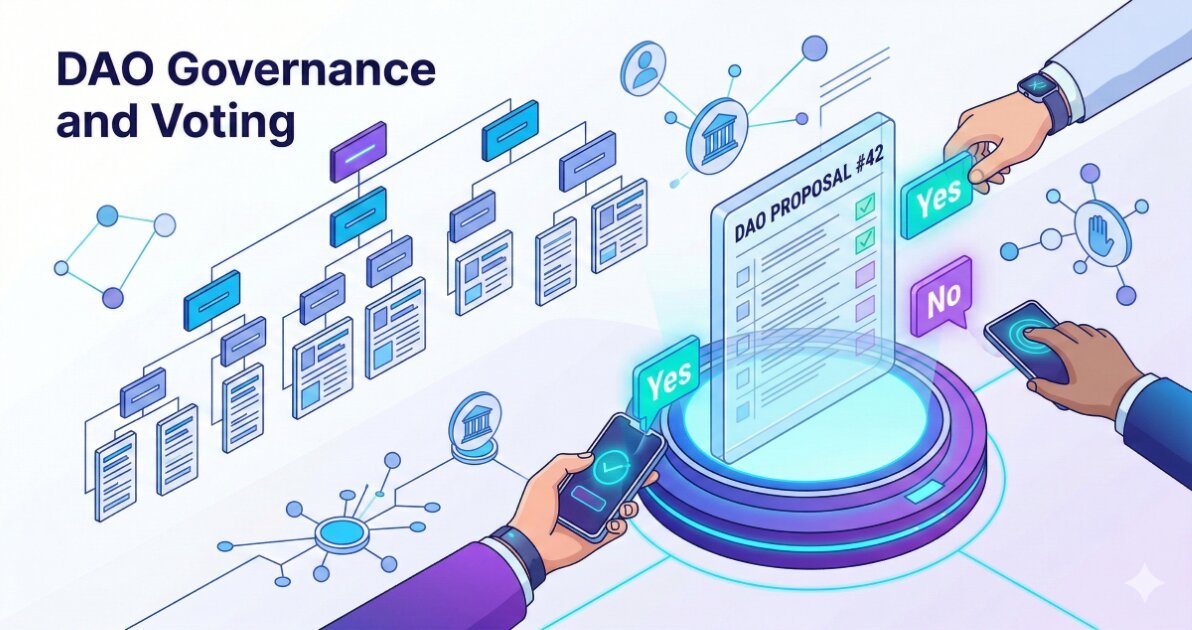
Governance proposals enter a watchlist when posted, trigger review when voting opens, and require action only if the proposal reaches quorum and your position is affected. Most proposals fail or iterate through multiple revisions. Do not spend analysis budget on draft text that has not gathered delegate support.
Exploit and incident reports demand immediate scope assessment. Does the vulnerability class apply to any contract you interact with? Exploit postmortems often reveal issues in widely used libraries or patterns. If the compromised contract uses a proxy pattern you also rely on, audit your own upgrade controls even if the specific exploit vector differs.
Regulatory updates require jurisdiction and entity type mapping. A state money transmitter guidance update matters if you custody user funds in that state. Federal enforcement against a DeFi frontend matters if you operate a similar interface. Non applicable jurisdictions can be archived without full read.
Worked Example: Collateral Parameter Change
A governance proposal passes on a lending protocol where you have supplied USDC and borrowed ETH. The proposal reduces the collateral factor for ETH from 0.80 to 0.75.
Your position had a health factor of 1.15 before the change. The new collateral factor mechanically reduces your health factor to approximately 1.08. The protocol liquidates positions below 1.0.
You now have three response paths:
- Supply additional USDC to restore margin buffer
- Repay part of the ETH debt to reduce utilization
- Monitor the position more frequently and prepare to act if the health factor approaches 1.02
This decision depends on your capital availability, view on ETH volatility over the lock period, and gas cost relative to position size. The news itself (parameter change) is unambiguous. The response depends on position specifics.
The key step: you learned about this from a governance tracker, verified the proposal execution in the protocol’s timelock contract, and checked your position’s health factor in the protocol UI before the change became active. You had a four hour window between execution and activation to adjust.
Common Mistakes and Misconfigurations
-
Relying on price alerts as protocol health signals. A token price drop does not tell you whether a smart contract bug caused it, a large holder exited, or broader market correlation drove the move. Check exploit monitors and protocol status pages separately.
-
Treating all governance proposals as equally urgent. Most proposals adjust minor parameters or allocate grants. Filter by affected contract addresses and position exposure before doing full analysis.
-
Ignoring timezone and block time in activation schedules. A governance proposal may execute at block X but activate 24 hours later via timelock. Your response window is the gap between execution confirmation and activation, not the voting period.
-
Conflating exchange news with protocol news. An exchange delisting a token affects your offramp options but does not change the token’s onchain properties. Route exchange operational updates to liquidity management, not security review.
-
Failing to archive verification steps. When you verify a claim by checking a transaction hash or governance vote, save the link. Re verification six months later during an audit is expensive if you did not document your original source chain.
-
Overweighting social signal velocity. A rumor that spreads quickly is still a rumor. Velocity measures attention, not accuracy. Check primary sources at the same speed regardless of how many people are discussing it.
What to Verify Before You Rely on This
- The canonical source for protocol parameter updates (governance portal URL, documentation repository, official Twitter account)
- Which block explorers index the chains where your positions or integrations live
- Whether the protocol publishes a security contact or incident response playbook
- The typical timelock delay between governance execution and activation for protocols you use
- Which regulatory agencies have jurisdiction over your entity type and operating locations
- Whether your monitoring setup alerts on contract upgrades, not just price or balance changes
- The official channel for each protocol’s emergency pause or circuit breaker announcements
- Your internal threshold for what position size or protocol TVL justifies immediate response versus batch review
- Which third party news feeds have a track record of marking speculative claims as unconfirmed
- Whether you have API access or onchain monitoring for the governance contracts of protocols where you have active positions
Next Steps
- Audit your current news sources and categorize each by verification overhead. Eliminate sources that consistently require triangulation without adding early signal value.
- Set up onchain monitors for governance contract events on protocols where you have positions above your action threshold. This removes reliance on social feeds for time sensitive parameter changes.
- Document your triage workflow and decision thresholds so that verification steps are repeatable when you are unavailable or when a new team member joins.