Crypto banking sits at the intersection of traditional financial rails and digital asset custody, creating a category where licensing regimes, reserve structures, and operational mechanics differ sharply from both incumbent banks and pure onchain protocols. This article dissects the key architectural components that define crypto banking providers, explains how recent structural changes reshape risk and access patterns, and outlines what practitioners need to verify when evaluating or integrating these services.
Defining the Crypto Banking Layer
Crypto banking refers to entities that provide traditional banking style services (deposits, payments, lending, card issuance) denominated in or backed by digital assets. These providers fall into three structural archetypes:
Regulated crypto native banks hold state or federal banking charters and operate full reserve or fractional reserve models for both fiat and digital assets. They clear through existing payment networks while maintaining segregated digital asset custody.
Partner bank models route fiat functions through a licensed bank partner while handling digital asset custody and exchange infrastructure directly. The partner bank holds customer fiat deposits and issues payment instruments. The crypto platform manages wallets, trading, and asset conversions.
Stablecoin settlement layers enable payment and treasury functions using stablecoins as the core asset, often without direct fiat onramps. These may integrate with licensed money transmitters or operate purely onchain with offchain fiat bridges handled by third parties.
Each archetype distributes regulatory risk, counterparty exposure, and operational control differently. A chartered bank centralizes risk in one regulated entity. A partner model splits it between the platform and the bank. A stablecoin layer pushes fiat conversion risk to the user or to discrete onramp providers.
Reserve Structures and Liquidity Mechanics
How a crypto bank holds and segregates customer assets determines withdrawal speed, insolvency risk, and regulatory capital requirements.
Full reserve models maintain a 1:1 backing of customer liabilities with liquid assets. For fiat balances, this typically means deposits at the Federal Reserve or short dated Treasuries. For digital assets, this means onchain custody or qualified custodian accounts with assets segregated per customer. Full reserve eliminates duration mismatch risk but caps revenue to interchange, spreads, and service fees.
Fractional reserve models lend or stake a portion of customer deposits to generate yield. This requires capital buffers, liquidity coverage ratios, and stress testing regimes similar to traditional banks. A fractional reserve crypto bank lending Bitcoin or stablecoins faces repricing risk if wholesale funding rates spike or if collateral values drop sharply.
Omnibus custody with subcustody tracking is common in partner models. The crypto platform maintains an omnibus account at a qualified custodian, then tracks individual user balances in an internal ledger. Reconciliation frequency and audit rights become critical. A mismatch between the ledger and the custodied assets can lock withdrawals until resolved.
Ask whether the provider publishes attestations or proof of reserves. Attestations verify balances at a point in time. Continuous proof of reserves, using cryptographic commitments, lets users verify their balance is included in the total without revealing other account details.
Payment and Card Integration Architecture
Crypto banking providers that issue debit cards or enable merchant payments rely on integrations with Visa, Mastercard, or ACH networks. These integrations introduce conversion points and settlement timing that affect finality and cost.
Prepaid card models convert digital assets to fiat at load time. The card network sees only fiat. The user locks in the conversion rate when funding the card. Subsequent purchases settle instantly from the fiat balance, avoiding intraday volatility but removing the ability to benefit from price appreciation.
Dynamic conversion models hold assets in crypto until the point of sale, then convert the exact purchase amount to fiat. This preserves exposure until spend but introduces slippage risk and requires real time liquidity in the conversion engine. The provider typically charges a spread (often 1% to 3%) on top of the interbank rate.
Stablecoin card programs fund purchases directly from stablecoin balances. Conversion happens only at onramp or offramp, not per transaction. This reduces per transaction friction but exposes the user to stablecoin depeg risk and limits the card to stablecoin holdings.
Settlement timing matters for reconciliation. Card transactions may settle T+1 or T+2 on the network side, but the crypto platform debits the user account immediately. The platform absorbs the timing risk and must maintain a fiat float to cover the settlement window.
Regulatory Licensing and Jurisdiction Fragmentation
Crypto banks operate under a patchwork of state, federal, and international licenses. The specific combination determines permissible activities, capital requirements, and customer protection mechanisms.
State trust charters (e.g., New York’s limited purpose trust charter) allow custody and exchange services but prohibit lending customer assets. Capital requirements are typically lower than full banking charters. These entities cannot access Federal Reserve accounts directly and must rely on correspondent banks for fiat settlement.
Federal banking charters (OCC national bank or thrift charter) permit lending, FDIC insurance eligibility (if approved), and direct Fed account access. Capital ratios follow Basel III or equivalent frameworks, with additional buffers for digital asset exposure. Few crypto native institutions have pursued this path due to capital intensity and examination risk.
Money transmitter licenses are required in most states for fiat to crypto conversion or cross border payments. Each state sets distinct bonding requirements, net worth minimums, and permissible investment rules for customer funds. A provider operating in all 50 states must maintain 50 separate compliance programs.
Electronic money institution (EMI) licenses in Europe allow issuance of stablecoins and payment services under MiCA (Markets in Crypto Assets regulation). These licenses impose reserve requirements, redemption guarantees, and operational resilience standards different from U.S. frameworks.
Check which licenses a provider holds and in which jurisdictions. A platform licensed in one state may not be authorized in another, limiting availability or triggering exit requirements if you relocate.
Worked Example: Stablecoin Yield Account Settlement Flow
A user deposits 10,000 USDC into a crypto bank offering 4% APY on stablecoin balances. The flow illustrates how reserve structure and partner integration affect settlement:
- User initiates onchain transfer of 10,000 USDC to the platform’s omnibus deposit address on Ethereum.
- Platform’s custody system detects the deposit after 12 block confirmations (approximately 2.5 minutes), credits the user’s internal ledger balance, and begins accruing interest.
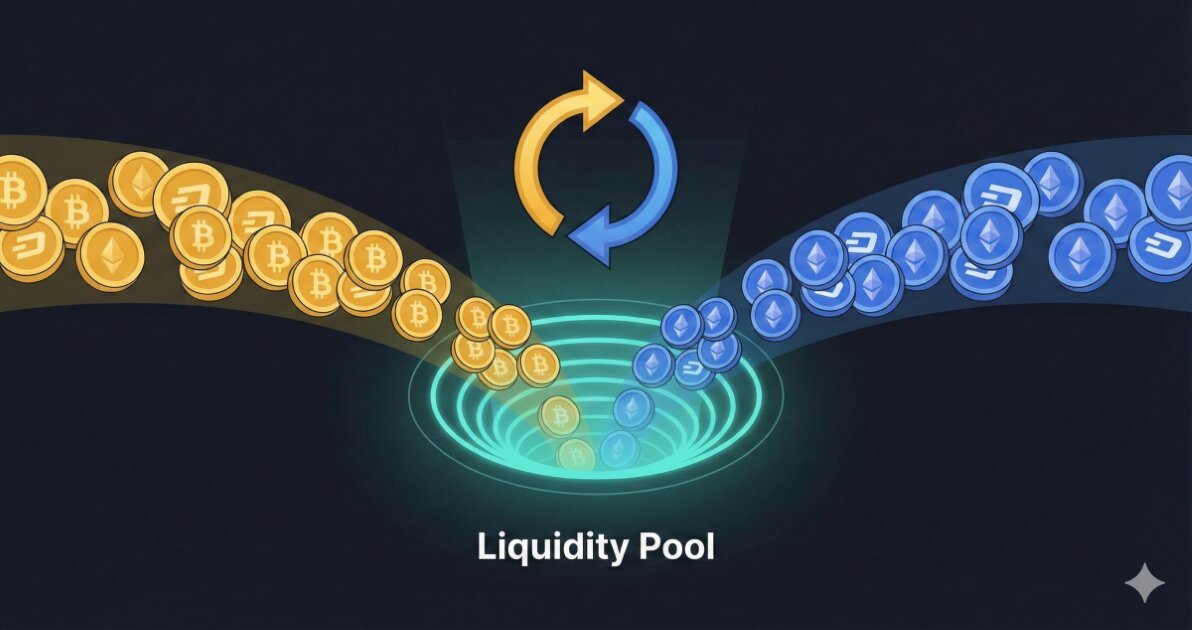
- Platform allocates 7,000 USDC to a DeFi lending protocol (e.g., Aave or Compound) to generate yield. The remaining 3,000 USDC stays in the omnibus wallet as a liquidity reserve for withdrawals.
- The lending protocol pays variable interest, currently around 5.2% APY. The platform takes a 1.2% spread, passing 4% to the user.
- User requests a 2,000 USDC withdrawal. Platform debits the internal ledger and transfers from the liquidity reserve. Settlement is onchain within minutes.
- User requests an 8,000 USDC withdrawal, exceeding the reserve. Platform must unwind lending positions, which may take one block (if liquidity exists) or longer (if utilization is high). Withdrawal completes once liquidity is freed.
The user faces two risks: smart contract risk in the lending protocol and liquidity risk if reserve utilization exceeds 100%. The platform publishes reserve ratios daily, but they can shift quickly under withdrawal pressure.
Common Mistakes and Misconfigurations
- Assuming FDIC insurance covers digital assets. FDIC insurance applies only to fiat deposits at insured banks. Digital assets held in custody accounts, even at a bank subsidiary, are not covered. Some platforms label accounts as “FDIC insured” when only the fiat leg qualifies.
- Ignoring omnibus custody reconciliation lag. Platforms using omnibus custody may update internal ledgers faster than they reconcile with the custodian. A mismatch can freeze withdrawals. Verify how often the provider reconciles and whether proof of reserves is automated.
- Overlooking card conversion spread disclosure. Dynamic conversion cards often bury spread percentages in fee schedules. A 2.5% spread on every purchase erases much of the value of crypto rewards or yield.
- Failing to verify stablecoin reserve quality. Not all stablecoins hold equivalent reserves. Some back tokens with commercial paper or crypto collateral, increasing tail risk. Check the stablecoin issuer’s attestation and reserve composition before depositing large amounts.
- Misunderstanding withdrawal finality timing. Onchain withdrawals settle once confirmed on the blockchain. Fiat withdrawals via ACH or wire may take 1 to 5 business days and can be reversed or delayed by the banking partner.
- Conflating yield source with platform solvency. High APY may come from lending, staking, or liquidity mining. Each has different risk profiles. Lending to overcollateralized borrowers differs sharply from liquidity provision in volatile pairs.
What to Verify Before Relying on a Crypto Banking Provider
- Current licensing status in your jurisdiction and any jurisdictions you may operate in. Licenses can be suspended or surrendered.
- Reserve ratio and attestation frequency for both fiat and digital assets. Monthly attestations are common, but weekly or real time disclosures reduce information lag.
- Partner bank identity and FDIC coverage limits if fiat deposits are involved. Partner changes can trigger account migrations or service interruptions.
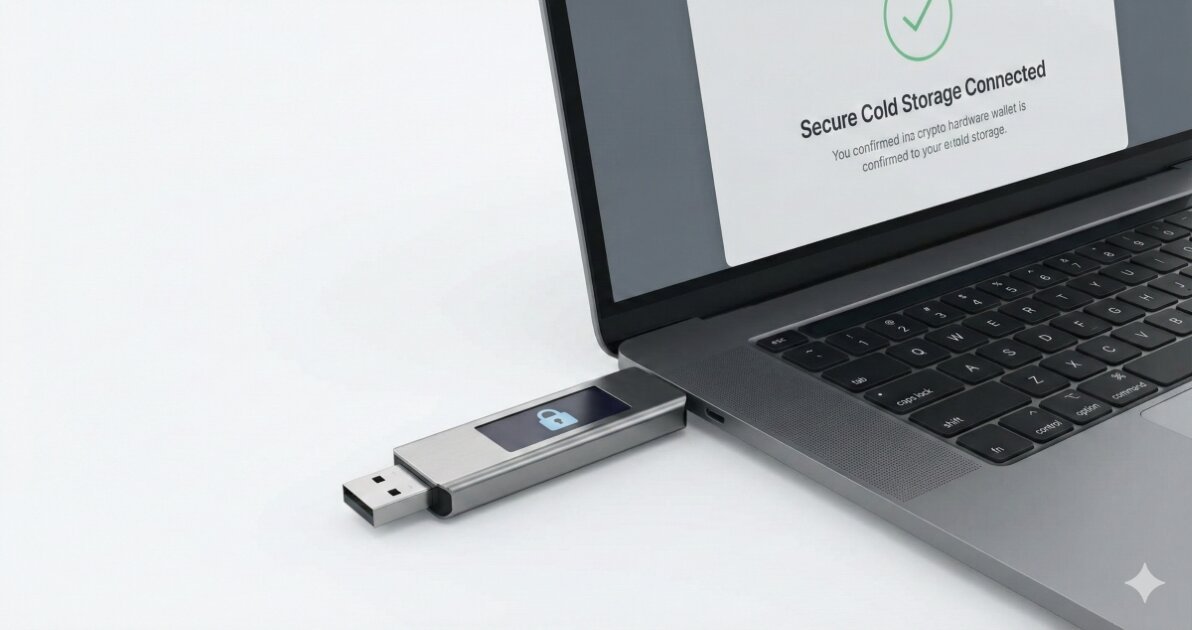
- Custody model (omnibus vs. segregated) and the identity of the qualified custodian. Confirm whether assets are held in cold storage, multisig, or MPC wallets.
- Conversion spread and fee schedule for card programs, ACH transfers, and crypto to fiat swaps. Spreads can change without notice.
- Yield source and protocol dependencies for interest bearing accounts. Review the underlying protocol’s audit history and total value locked trends.
- Withdrawal processing time and limits for both fiat and digital assets. Some platforms impose daily or monthly caps that may not be evident until you attempt a large withdrawal.
- Insurance coverage beyond FDIC, such as crime insurance or custodial insurance. Confirm policy limits and covered events.
- Regulatory capital ratios if the provider is a chartered bank. Public filings (call reports) disclose leverage and risk weighted assets.
- Terms of service provisions on account closure, asset seizure, and dispute resolution. Some platforms reserve the right to freeze accounts pending investigation without specific timeframes.
Next Steps
- Map your preferred providers’ legal structures to the archetype (chartered bank, partner model, stablecoin layer) and assess where counterparty risk concentrates. Request or locate their most recent attestation or proof of reserves publication.
- Test small deposit and withdrawal flows to verify settlement timing, fee application, and user experience before committing large balances. Measure actual conversion spreads on card transactions or fiat offramps.
- Set up monitoring for reserve ratio changes, partner bank announcements, and regulatory actions affecting your provider. Subscribe to their status page or regulatory filings feed if available.
Category: Crypto News & Insights