Japan operates one of the most tightly regulated crypto markets globally. Understanding the specific compliance architecture, capital controls, and operational constraints of Japanese exchanges matters if you’re trading between jurisdictions, evaluating counterparty risk, or assessing why certain products or tokens remain unavailable on these platforms. This article covers the regulatory mechanics, account structure rules, and practical friction points when using Japanese exchanges.
Regulatory Framework and Registration Requirements
Japanese exchanges operate under the Payment Services Act (PSA), administered by the Financial Services Agency (FSA). Any entity offering crypto trading services to Japanese residents must register as a Crypto Asset Exchange Service Provider (CAESP). Registration requires demonstration of custody controls, segregated client funds, capital reserves, and annual audits.
The FSA maintains a whitelist of approved tokens. Exchanges cannot list assets without prior approval, which requires submission of technical documentation, developer background checks, and analysis of the token’s economic model. This process typically takes months and has resulted in a significantly smaller selection of tradable assets compared to offshore platforms. Privacy coins and tokens with anonymous development teams are categorically excluded.
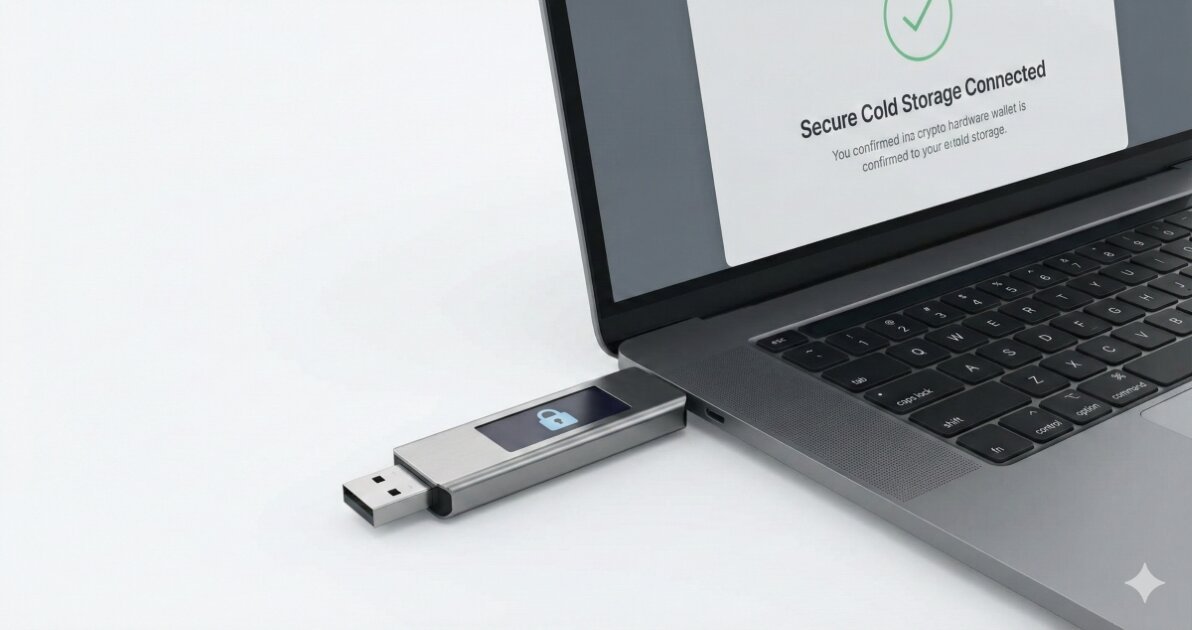
Key restrictions include prohibitions on margin ratios exceeding 2x for crypto derivatives, mandatory cold storage for the majority of client assets, and quarterly reporting of trading volumes and custody balances. The Japan Virtual and Crypto Assets Exchange Association (JVCEA), a self-regulatory body, imposes additional operational standards that all registered exchanges must follow.
KYC and Account Opening Mechanics
Opening an account on a Japanese exchange requires submission of a government issued identity document, proof of residential address in Japan, and a selfie for liveness verification. The exchange must verify that the physical address matches the government database, which typically involves mailing a PIN code to your registered address. You cannot complete account activation until you enter this code, a process that adds several days to onboarding.
Non-residents face steep barriers. Most Japanese exchanges restrict account opening to individuals holding Japanese residency status. Foreign nationals with work visas or permanent residency can open accounts, but tourists and non-resident foreign nationals are generally excluded. Corporate accounts require additional documentation including a certificate of corporate registration (登記簿謄本), articles of incorporation, and proof of the beneficial owners’ identities.
Transaction monitoring is continuous. Exchanges flag deposits from addresses associated with unregistered platforms, mixing services, or gambling sites. Large withdrawals trigger manual review. You may be asked to provide source of funds documentation for deposits exceeding platform specific thresholds.
Fiat On-Ramps and Banking Integration
Japanese exchanges integrate directly with domestic banks through the Zengin banking network. Deposits typically settle within the same business day if initiated before the cutoff time (usually 15:00 JST). Most platforms support deposits only in Japanese yen. You cannot fund accounts with USD, EUR, or other foreign currencies without first converting through the traditional banking system.
Withdrawal processing follows a batching model. Most exchanges process fiat withdrawals once or twice daily, with funds arriving in your bank account on the next business day. Withdrawal fees vary by platform but generally range from ¥300 to ¥770 per transaction. Some exchanges waive fees for monthly withdrawal quotas or higher tier accounts.
Banking partnerships remain fragile. Several major Japanese banks continue to restrict customer transactions with crypto exchanges due to anti money laundering concerns. If your bank flags your exchange transfers, you may need to provide written explanations or switch to a crypto friendly bank such as GMO Aozora Net Bank or certain regional credit unions.
Crypto Withdrawal Constraints and Address Whitelisting
Most Japanese exchanges enforce address whitelisting for crypto withdrawals. You must register destination addresses in advance and wait through a cooling off period (typically 24 to 48 hours) before the address becomes active. This prevents immediate withdrawals to new addresses, even if you pass all KYC checks.
Withdrawals to certain address types face restrictions. Some platforms block withdrawals to smart contract addresses, multisig wallets, or addresses associated with known privacy tools. Withdrawals to unregistered overseas exchanges may trigger additional compliance reviews or outright rejection.
Daily and monthly withdrawal limits apply based on account tier. Entry level accounts often face limits as low as ¥1,000,000 per day for fiat and 0.5 BTC per day for crypto. Higher limits require enhanced verification, including income documentation or net worth statements.
Cross-Border Trading and Capital Controls
Japanese residents face constraints when moving capital between domestic and foreign exchanges. While Japan does not impose formal capital controls, tax reporting requirements and FSA guidance create practical friction. Transfers to overseas exchanges trigger tax nexus questions, particularly for amounts exceeding ¥1,000,000 in a single calendar year.
Tax reporting follows a comprehensive gain model. You must calculate gains in yen terms for every trade, including crypto to crypto swaps. Japanese exchanges provide annual transaction reports formatted for tax filing, but these reports do not capture trades executed on foreign platforms. Reconciling cross platform activity requires manual calculation and increases audit risk.
Arbitrage between Japanese and offshore exchanges faces execution barriers. The address whitelisting process and withdrawal delays make rapid capital cycling impractical. Price premiums (the “kimchi premium” analog sometimes called the “Japan premium”) can persist longer than on more fluid markets because arbitrageurs cannot close the gap quickly.
Worked Example: Withdrawing ETH to a DeFi Protocol
You hold ETH on a Japanese exchange and want to deposit it into a lending protocol. First, you generate a deposit address from your noncustodial wallet. You navigate to the exchange withdrawal settings and submit this address for whitelisting. The exchange verifies the address format and initiates a 48 hour waiting period.
Two days later, the address activates. You initiate a withdrawal of 2 ETH. The exchange checks your daily limit (assume 3 ETH for your tier), deducts a fixed withdrawal fee of 0.005 ETH, and moves the transaction to a pending queue. Withdrawals batch every six hours, so your ETH leaves the exchange in the next batch window.
The exchange broadcasts the transaction with a moderate gas price, targeting confirmation within 30 minutes. The transaction confirms onchain, and your wallet receives 1.995 ETH. You can now interact with the DeFi protocol. However, if you later want to return funds to the exchange, you must use the exact deposit address provided by the exchange, as most Japanese platforms do not accept deposits from arbitrary addresses without prior notification.
Common Mistakes and Misconfigurations
- Attempting same day withdrawals to new addresses. The whitelisting delay is mandatory. Plan capital movements at least 48 hours in advance.
- Assuming all ERC-20 tokens are withdrawable. Japanese exchanges often support deposits for a token but disable withdrawals due to liquidity or compliance concerns. Check withdrawal availability before depositing obscure assets.
- Ignoring address format requirements. Some platforms reject bech32 Bitcoin addresses or require legacy P2PKH formats. Verify supported address types before registering a destination.
- Using VPN or proxy services during login. Exchanges log IP addresses and may freeze accounts showing logins from foreign jurisdictions inconsistent with your verified residential address.
- Overlooking the tax implications of crypto to crypto trades. Every trade creates a taxable event calculated in yen terms. Frequent trading generates substantial reporting burdens.
- Depositing from mixing services or privacy wallets. Funds from Tornado Cash, Wasabi Wallet coinjoins, or similar tools will be flagged and potentially frozen pending investigation.
What to Verify Before Relying on Japanese Exchanges
- Current token whitelist on the FSA website or exchange listing pages. Approved assets change as the FSA reviews new submissions.
- Withdrawal fee schedules and minimum withdrawal amounts. These vary significantly between platforms and are updated periodically.
- Your bank’s policy on crypto exchange transfers. Confirm your bank will process deposits and withdrawals without freezing your account.
- Account tier limits and the documentation required for upgrades. Higher tiers require income or asset proof that may take weeks to review.
- The exchange’s cold storage percentage and insurance coverage. Not all platforms carry the same custody risk profile.
- Tax reporting format and whether the platform provides English language support. Some exchanges generate reports only in Japanese.
- Maintenance windows and withdrawal processing schedules. Batching times affect when your funds actually move onchain.
- Whether the exchange supports the specific network for a multi-chain token. Some platforms support only ERC-20 versions of assets also available on BSC or other chains.
- Current status of the JVCEA self-regulatory rules. The association periodically updates operational standards that affect all member exchanges.
- Address reuse policies for deposits. Some platforms rotate deposit addresses after each use, requiring you to check the current address before every transfer.
Next Steps
- Open accounts on at least two registered Japanese exchanges to avoid single point of failure and compare fee structures for your typical transaction profile.
- Register a set of whitelisted withdrawal addresses for your primary wallets and external platforms immediately after account activation to minimize future delays.
- Implement a tax tracking system that captures every trade in yen terms from day one. Retroactive reconciliation across multiple platforms and tax years becomes exponentially more complex.
Category: Crypto Exchanges